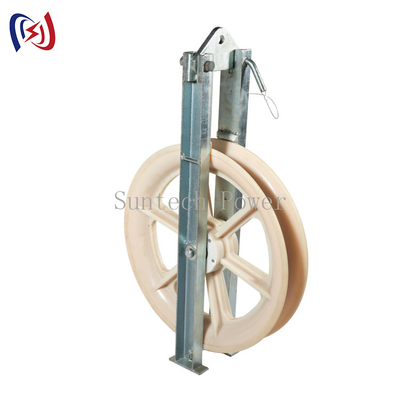
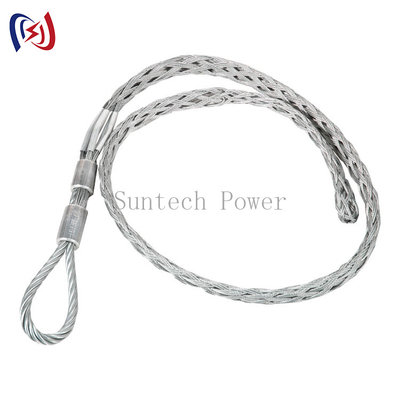
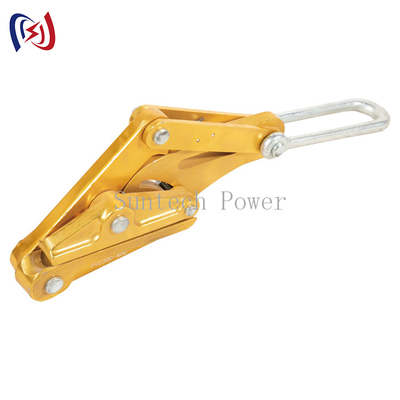
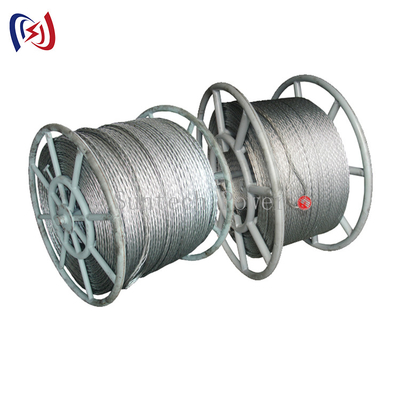
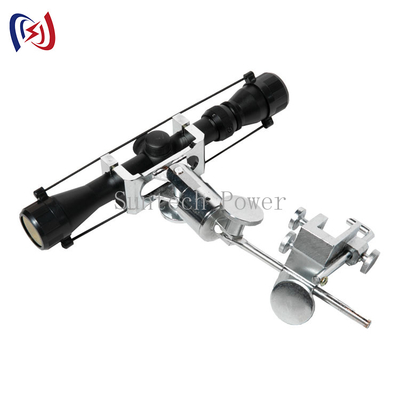
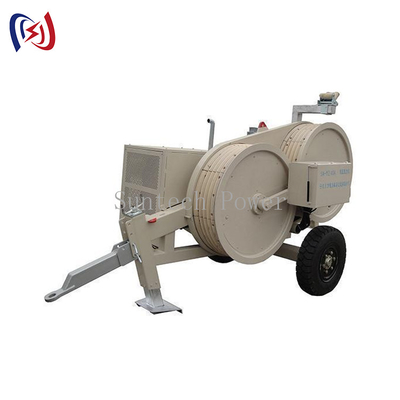
ในภูมิทัศน์การพัฒนาโครงสร้างพื้นฐานทั่วโลก — ตั้งแต่ที่ราบทะเลทรายในตะวันออกกลางและภูมิประเทศที่เป็นภูเขาในอเมริกาใต้ ไปจนถึงโครงข่ายเมืองที่ขยายตัวในเอเชียตะวันออกเฉียงใต้ และภูมิประเทศอันกว้างใหญ่ห่างไกลของแอฟริกาและเอเชียกลาง — ความท้าทายในการติดตั้งสายเคเบิลเป็นสิ่งสำคัญยิ่ง สำหรับมืออาชีพที่ทำงานบนที่สูง โดยใช้เครื่องมือพิเศษ เช่น เครื่องย้ำสายเคเบิลที่ทำงานบนที่สูง เพื่อยึดการเชื่อมต่อ งานจะเริ่มต้นขึ้นนานก่อนที่จะมีการย้ำครั้งแรก มันเริ่มต้นด้วยภารกิจอันยิ่งใหญ่ในการวางสายเคเบิลอย่างปลอดภัย มีประสิทธิภาพ และแม่นยำ ไม่ว่าจะเป็นสายใยแก้วนำแสงสำหรับการสื่อสารยุคใหม่ ตัวนำไฟฟ้าแรงสูงสำหรับการส่งกำลัง หรือสายเคเบิลแบบรวมกลุ่มที่ซับซ้อนสำหรับการใช้งานในอุตสาหกรรม เครื่องมือที่ทำให้สิ่งนี้เป็นไปได้คือรอกดึงสายเคเบิล (Cable Pulling Winch) มากกว่าแค่รอก มันเป็นระบบที่สร้างขึ้นเพื่อวัตถุประสงค์เฉพาะ ออกแบบมาเพื่อตอบสนองความต้องการเฉพาะของการติดตั้งสายเคเบิล ทำงานร่วมกับเครื่องมือสำหรับงานบนที่สูง เพื่อให้โครงการสำเร็จลุล่วงตั้งแต่ต้นจนจบ คู่มือนี้จะสำรวจบทบาทที่สำคัญ ความแตกต่างทางเทคนิค และเกณฑ์การเลือกสำหรับรอกดึงสายเคเบิล โดยให้กรอบการทำงานที่ชัดเจนสำหรับมืออาชีพในตลาดที่มีความต้องการสูง
นิยามของรอกดึงสายเคเบิล: ระบบ ไม่ใช่แค่เครื่องมือ
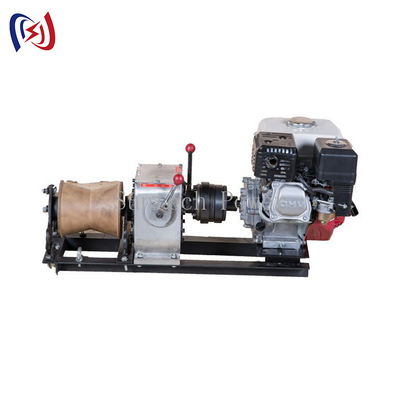
รอกดึงสายเคเบิลได้รับการออกแบบมาโดยเฉพาะสำหรับการติดตั้งสายเคเบิลแบบเชิงเส้นเข้าในท่อร้อยสาย ผ่านช่วงต่างๆ หรือขึ้นโครงสร้างต่างๆ แตกต่างจากรอกกู้คืนหรือรอกยกอเนกประสงค์ การออกแบบของมันให้ความสำคัญกับการดึงสายเคเบิลที่ราบรื่น ควบคุมได้ การปกป้องปลอกสายเคเบิล และการบูรณาการกับอุปกรณ์เสริมสำหรับการติดตั้งสายเคเบิล มันเป็นระบบที่ประกอบด้วยส่วนประกอบหลักหลายส่วน:
-
หน่วยกำลัง (The Power Unit): โดยทั่วไปจะเป็นไฟฟ้า (สำหรับการควบคุม) หรือไฮดรอลิก (สำหรับกำลังดิบและความทนทาน) ให้แรงบิดในการหมุน
-
รอกแบบคาปสตันหรือดรัม (The Capstan or Drum): หัวใจของระบบ รอกแบบคาปสตัน (Capstan winch) ใช้หัวหมุนแนวตั้งที่พันเชือกดึงรอบๆ เหมาะสำหรับการดึงระยะไกล เนื่องจากความยาวเชือกแทบไม่จำกัด รอกแบบดรัม (Drum winch) เก็บเชือกดึงหรือสายเคเบิลไว้บนแกนม้วน เหมาะสำหรับการดึงที่ควบคุมได้ วัดระยะ และการจัดการเชือกที่ง่ายขึ้น
-
ระบบควบคุม (The Control System): ช่วยให้สามารถควบคุมความเร็วและแรงดึงในการดึงได้อย่างแม่นยำ มักมีคุณสมบัติความเร็วแปรผันและการทำงานแบบควบคุมระยะไกลเพื่อความปลอดภัย
-
การตรวจสอบแรงดึง (Tension Monitoring): ระบบขั้นสูงรวมถึงโหลดเซลล์หรือเกจเพื่อแสดงแรงดึงในการดึงแบบเรียลไทม์ ป้องกันความเสียหายต่อสายเคเบิลจากแรงที่มากเกินไป
เหตุผลที่รอกดึงสายเคเบิลโดยเฉพาะเป็นสิ่งจำเป็น
การใช้รอกที่ประดิษฐ์ขึ้นเองหรือรอกอเนกประสงค์สำหรับการติดตั้งสายเคเบิลก่อให้เกิดความเสี่ยงที่สำคัญ:
-
ความเสียหายต่อสายเคเบิล (Cable Damage): การสตาร์ทแบบกระตุก ความเร็วที่ไม่สม่ำเสมอ หรือแรงดึงที่ควบคุมไม่ได้ สามารถบดขยี้ ทำให้สายเคเบิลหักงอ หรือเสียดสีปลอกสายเคเบิล ทำให้ความสมบูรณ์ของสายเคเบิลลดลงตั้งแต่เริ่มต้น
-
อันตรายด้านความปลอดภัย (Safety Hazards): สายเคเบิลขาดหรือส่วนประกอบล้มเหลวภายใต้แรงดึงสูงจะกลายเป็นวัตถุอันตราย การขาดการเบรกที่ควบคุมได้อาจนำไปสู่การดึงที่หลุดจากการควบคุม
-
ความไม่มีประสิทธิภาพและต้นทุน (Inefficiency and Cost): เครื่องมือที่ไม่เหมาะสมนำไปสู่การดึงที่ช้าลง การใช้แรงงานคนมากขึ้น การแก้ไขสายเคเบิล และโอกาสที่จะล้มเหลวสูงขึ้น เพิ่มเวลาและต้นทุนโครงการแบบทวีคูณ
รอกดึงสายเคเบิลโดยเฉพาะได้รับการออกแบบมาเพื่อลดความเสี่ยงเหล่านี้ผ่านการควบคุมและการป้องกันที่ออกแบบมาโดยเฉพาะ
แกนหลักทางเทคนิค: ทำความเข้าใจประเภทของรอกสำหรับงานสายเคเบิล
การเลือกรอกประเภทที่ถูกต้องเป็นการตัดสินใจที่สำคัญที่สุด การเลือกขึ้นอยู่กับความต้องการเฉพาะของแอปพลิเคชัน
-
รอกแบบคาปสตัน (Traction Winches):
-
หลักการ: ใช้ล้อหมุนที่ขับเคลื่อนด้วยมอเตอร์ในแนวตั้ง (คาปสตัน) เชือกดึงสังเคราะห์จะพันรอบ 3-5 รอบ แรงเสียดทานจะให้การยึดเกาะ เชือกจะไม่ถูกเก็บไว้บนรอก
-
เหมาะสำหรับ: การดึงสายเคเบิลระยะไกล ผ่านท่อร้อยสายใต้ดิน ตามรางสายเคเบิล หรือสำหรับช่วงบนอากาศ ความยาวในการดึงที่มีประสิทธิภาพไม่จำกัด (จำกัดเฉพาะความยาวเชือก) ทำให้เป็นสิ่งที่ขาดไม่ได้สำหรับการดึงสายใยแก้วนำแสงหรือสายไฟเป็นระยะทางหลายร้อยเมตร มีน้ำหนักค่อนข้างเบาและให้การควบคุมที่ดีเยี่ยมผ่านปลายเชือก
-
ข้อควรพิจารณาที่สำคัญ: ต้องใช้เครื่องดึงเชือกแยกต่างหากหรือทีมงานเพื่อจัดการการป้อนเชือก "เอฟเฟกต์คาปสตัน" ต้องใช้เทคนิคการจัดการเชือกที่เหมาะสมเพื่อความปลอดภัย
-
รอกแบบดรัม (Drum Winches):
-
หลักการ: พันเชือกเหล็กหรือเชือกสังเคราะห์เข้ากับดรัมหรือแกนม้วนที่ขับเคลื่อนด้วยมอเตอร์โดยตรง
-
เหมาะสำหรับ: การดึงที่ควบคุมได้ วัดระยะ และการยกแนวตั้ง เหมาะสำหรับการดึงสายเคเบิลขึ้นด้านข้างของเสาสื่อสาร เข้าสู่สถานีไฟฟ้าย่อยที่ยกสูง หรือสำหรับการติดตั้งที่แม่นยำซึ่งต้องการปริมาณการปล่อยและดึงสายเคเบิลที่แน่นอน พวกมันให้การจัดเก็บเชือกที่เป็นระเบียบและมักใช้กับระบบรอก (pulley) เพื่อเปลี่ยนทิศทางการดึง
-
ข้อควรพิจารณาที่สำคัญ: ความยาวในการดึงจำกัดด้วยความจุของดรัม การจัดการเชือก (การม้วนเก็บ) เป็นสิ่งสำคัญเพื่อป้องกันการติดขัดและความเสียหาย
-
ระบบดึงสายเคเบิล (หน่วยผสม) (Cable Pulling Systems (Combination Units)):
-
หลักการ: บูรณาการรอกแบบคาปสตันเข้ากับระบบนำสายเคเบิลเฉพาะ (ลูกกลิ้ง ตัวปรับระดับ แรงดึง) และมักจะมีรถพ่วงที่ขับเคลื่อนด้วยมอเตอร์สำหรับสายเคเบิลใหม่ นี่คือเวิร์คสเตชันที่สมบูรณ์
-
เหมาะสำหรับ: สัญญาการติดตั้งสายเคเบิลระดับมืออาชีพปริมาณมาก เช่น การวางสายใยแก้วนำแสงใต้ดินหลายไมล์ หรือสายไฟแรงสูงหลายเส้นในระดับอุตสาหกรรมหรือสาธารณูปโภค พวกมันเพิ่มประสิทธิภาพสูงสุด ลดความเสียหายต่อสายเคเบิล และให้การควบคุมกระบวนการในระดับสูงสุด
กรอบการทำงานของผู้ซื้อ: การเลือกรอกที่เหมาะสมสำหรับภาคสนาม
สำหรับเจ้าหน้าที่จัดซื้อและผู้จัดการโครงการ กระบวนการคัดเลือกต้องมีรากฐานมาจากความเป็นจริงในการปฏิบัติงาน นี่คือกรอบการประเมินที่เป็นประโยชน์:
-
วิเคราะห์โปรไฟล์การดึง:
-
ระยะทางและเส้นทาง: ความยาวในการดึงสูงสุดต่อครั้งคือเท่าใด เส้นทางตรง โค้ง หรือแนวตั้ง? คาปสตันมีความโดดเด่นในการดึงแนวนอนระยะไกล รอกแบบดรัมดีกว่าสำหรับการดึงแนวตั้งหรือหลายทิศทางโดยใช้รอก
-
ประเภทและความไวของสายเคเบิล: คุณกำลังดึงสายใยแก้วนำแสงที่ละเอียดอ่อนซึ่งมีข้อจำกัดรัศมีการโค้งงอและแรงดึงที่เข้มงวด หรือสายไฟหุ้มเกราะ? สายเคเบิลที่ละเอียดอ่อนกว่าต้องการรอกที่มีการควบคุมความเร็วและการตรวจสอบแรงดึงที่เหนือกว่า
-
น้ำหนักและแรงดึงในการดึง: คำนวณแรงดึงสูงสุดที่คาดหวัง โดยคำนึงถึงน้ำหนักสายเคเบิล แรงเสียดทานในท่อร้อยสาย และส่วนโค้ง แรงดึงที่ระบุของรอกของคุณควรมีอย่างน้อย 1.5 ถึง 2 เท่าของแรงดึงที่คำนวณได้ เพื่อให้มีระยะปลอดภัยในการทำงานและคำนึงถึงแรงเสียดทานตอนเริ่มต้นและสิ่งกีดขวางที่ไม่คาดคิด
-
ให้ความสำคัญกับคุณสมบัติการควบคุมและการป้องกัน:
-
การควบคุมความเร็วแปรผัน: จำเป็นสำหรับการสตาร์ทการดึงอย่างราบรื่น ("soft start") และปรับความเร็วเพื่อนำทางส่วนโค้งหรือสิ่งกีดขวาง ป้องกันความเสียหายต่อสายเคเบิลจากการกระตุก
-
การควบคุมระยะไกล: รีโมทแบบมีสายหรือไร้สายช่วยให้ผู้ปฏิบัติงานยืนอยู่ในตำแหน่งที่ดีที่สุดเพื่อสังเกตเส้นทางทั้งหมดของสายเคเบิล เพิ่มความปลอดภัยและการตอบสนอง
-
การแสดงผลและจำกัดแรงดึง: ไดนาโมมิเตอร์หรือเกจในตัวมีค่าอย่างยิ่ง ระบบบางระบบสามารถตั้งค่าให้หยุดอัตโนมัติหรือส่งเสียงเตือนหากแรงดึงที่ตั้งไว้ล่วงหน้าเกินขีดจำกัด
-
ระบบเบรก: ต้องมีเบรกนิรภัยเพื่อยึดโหลดหากไฟฟ้าดับและฟังก์ชันการลดระดับที่ควบคุมได้
-
ประเมินความทนทานต่อสภาพแวดล้อม:
-
แหล่งพลังงาน: รอกไฟฟ้าให้การควบคุมที่ละเอียดและเป็นที่นิยม แต่ต้องใช้แหล่งพลังงานที่แข็งแกร่ง (เครื่องกำเนิดไฟฟ้า แบตเตอรี่ขนาดใหญ่) รอกไฮดรอลิกเป็นเครื่องมือที่ทรงพลังสำหรับงานหนักต่อเนื่องในพื้นที่ห่างไกล ขับเคลื่อนโดย PTO ของยานพาหนะหรือชุดกำลังแยกต่างหาก
-
โครงสร้างและการปิดผนึก: มองหารอกที่มีกระปุกเกียร์และมอเตอร์ที่ปิดสนิท และการเคลือบป้องกันการกัดกร่อน (เช่น การเคลือบผง การชุบสังกะสี) สิ่งนี้มีความสำคัญอย่างยิ่งต่อความเค็มของชายฝั่ง (เอเชียตะวันออกเฉียงใต้ ตะวันออกกลาง) ฝุ่นทะเลทราย และความชื้นในเขตร้อน
-
การพกพาและการติดตั้ง: พิจารณาว่าจะขนส่งและยึดหน่วยอย่างไร มันติดตั้งบนสกีสำหรับรถบรรทุกหรือไม่? หน่วยรถพ่วง? สามารถเคลื่อนย้ายและยึดได้อย่างง่ายดายบนพื้นผิวที่ไม่เรียบในพื้นที่ห่างไกลหรือไม่?
-
พิจารณาระบบทั้งหมดและการสนับสนุน:
-
ความเข้ากันได้ของอุปกรณ์เสริม: ตรวจสอบให้แน่ใจว่ารอกสามารถทำงานร่วมกับรอก สปริง ตัวจับสายเคเบิล (grips) และสารหล่อลื่นท่อร้อยสายที่คุณใช้ได้
-
การบริการและโลจิสติกส์อะไหล่: สำหรับทีมงานในแอฟริกา อเมริกาใต้ หรือเอเชียกลาง การบำรุงรักษาที่ง่ายและอะไหล่ที่เข้าถึงได้ (แปรง ซีล โซลินอยด์) เป็นสิ่งสำคัญ เลือกอุปกรณ์ที่มีเครือข่ายสนับสนุนที่เข้าถึงพื้นที่ปฏิบัติงานของคุณ
การเชื่อมโยงแบบเสริมฤทธิ์: จากการดึงภาคพื้นดินสู่การย้ำบนที่สูง
การทำงานร่วมกันของเวิร์กโฟลว์นั้นตรงไปตรงมา: รอกดึงสายเคเบิล (Cable Pulling Winch) เป็นเครื่องมือระดับมหภาคภาคพื้นดินที่ติดตั้งตัวกลาง — สายเคเบิล มันวางตัวนำตามเส้นทางที่กำหนด ไม่ว่าจะใต้ดิน บนเสา หรือขึ้นหอคอย โดยใช้แรงที่จำเป็นอย่างแม่นยำเพื่อหลีกเลี่ยงความเสียหาย เมื่อสายเคเบิลอยู่ในตำแหน่งบนอากาศสุดท้ายและถูกปรับแรงตึงแล้ว เครื่องย้ำสายเคเบิลที่ทำงานบนที่สูง (High Altitude Crimping Tool) ของช่างเทคนิคจะเข้ามาทำงาน นี่คือเครื่องมือระดับจุลภาคบนที่สูงที่ยึดการเชื่อมต่อ ทำการสิ้นสุดหรือประกบขั้นสุดท้ายที่สำคัญ รอกช่วยให้สายเคเบิลถูกส่งไปยังไซต์งานอย่างปลอดภัย เครื่องย้ำช่วยให้มั่นใจว่าทำงานได้อย่างสมบูรณ์ หนึ่งเปิดใช้งานอีกอันหนึ่ง และทั้งสองมีความสำคัญต่อการติดตั้งที่เชื่อถือได้
บทสรุป: การลงทุนในรากฐานของการติดตั้งที่มีคุณภาพ
การเลือกรอกดึงสายเคเบิลที่เหมาะสมเป็นการลงทุนในคุณภาพพื้นฐานของการติดตั้งสายเคเบิลทั้งหมด มันกำหนดความปลอดภัยของทีม การปกป้องทรัพย์สินสายเคเบิลที่มีค่า ความเร็วในการดำเนินการโครงการ และความน่าเชื่อถือในระยะยาวของระบบที่ติดตั้ง ในบริบทของการพัฒนาโครงสร้างพื้นฐานทั่วโลก มันเป็นเครื่องมือหลักสำหรับประสิทธิภาพและความเป็นมืออาชีพ
เพื่อสำรวจรอกดึงสายเคเบิลและระบบที่ครอบคลุม ตั้งแต่หน่วยคาปสตันแบบพกพาสำหรับทีมโทรคมนาคม ไปจนถึงระบบไฮดรอลิกสำหรับงานหนักสำหรับการก่อสร้างโครงข่ายไฟฟ้า มีข้อมูลจำเพาะทางเทคนิคโดยละเอียด คู่มือการใช้งาน และแผนภาพระบบสำหรับการตรวจสอบระดับมืออาชีพของคุณ เยี่ยมชมเว็บไซต์หลักของเราเพื่อเข้าถึงทรัพยากรที่จำเป็นในการระบุโซลูชันการดึงที่เหมาะสมที่สุดสำหรับความท้าทายในการติดตั้งสายเคเบิลเฉพาะของคุณ
จัดหาทีมของคุณด้วยพลังที่ควบคุมได้เพื่อติดตั้งสายเคเบิลอย่างปลอดภัยและมีประสิทธิภาพ สร้างรากฐานสำหรับการเชื่อมต่อบนอากาศที่ไร้ที่ติ รอกที่เหมาะสมจะเปลี่ยนการดึงที่ท้าทายที่สุดให้เป็นกระบวนการที่ควบคุมได้และทำซ้ำได้ เริ่มเพิ่มประสิทธิภาพความสามารถในการติดตั้งสายเคเบิลของคุณโดยการตรวจสอบกลุ่มผลิตภัณฑ์โซลูชันที่ออกแบบทางวิศวกรรมของเราทั้งหมดบนหน้าแรกของเราวันนี้


 ข้อความของคุณจะต้องอยู่ระหว่าง 20-3,000 ตัวอักษร!